Leak and pipe service
Visible drips, damp cabinets, wall or ceiling staining, supply-line trouble, damaged fittings, and unexplained water movement.
Plumbing service for Gilbert homes
A drip, clog, cold shower, or pressure change is information. Expert Plumbing - Gilbert starts with what changed, where it happened, and how the connected plumbing is behaving.

Service index
Choose the closest category or call with the symptoms. The first conversation can begin without a diagnosis.
Visible drips, damp cabinets, wall or ceiling staining, supply-line trouble, damaged fittings, and unexplained water movement.
Slow kitchen or bath drains, recurring clogs, gurgling, odors, wastewater backups, and several fixtures changing together.
No hot water, temperature swings, tank moisture, unusual sound, discolored water, or equipment that no longer keeps up.
Running toilets, weak flushes, dripping faucets, worn valves, loose connections, disposal trouble, and fixture replacement.
A useful first description
Plumbing is connected. The room and fixture where a symptom appears can help establish whether the next look belongs at one component, a branch line, or a broader part of the home.
Describe the problemShare whether the problem follows dishwasher discharge, disposal use, hot water, or normal sink drainage.
Note whether one fixture is affected or whether nearby drains react when another fixture is used.
Mention temperature, sound, visible moisture, appliance cycles, and any recent installation or shutoff-valve use.
Compare hot and cold water in several rooms and say whether the change was sudden or gradual.
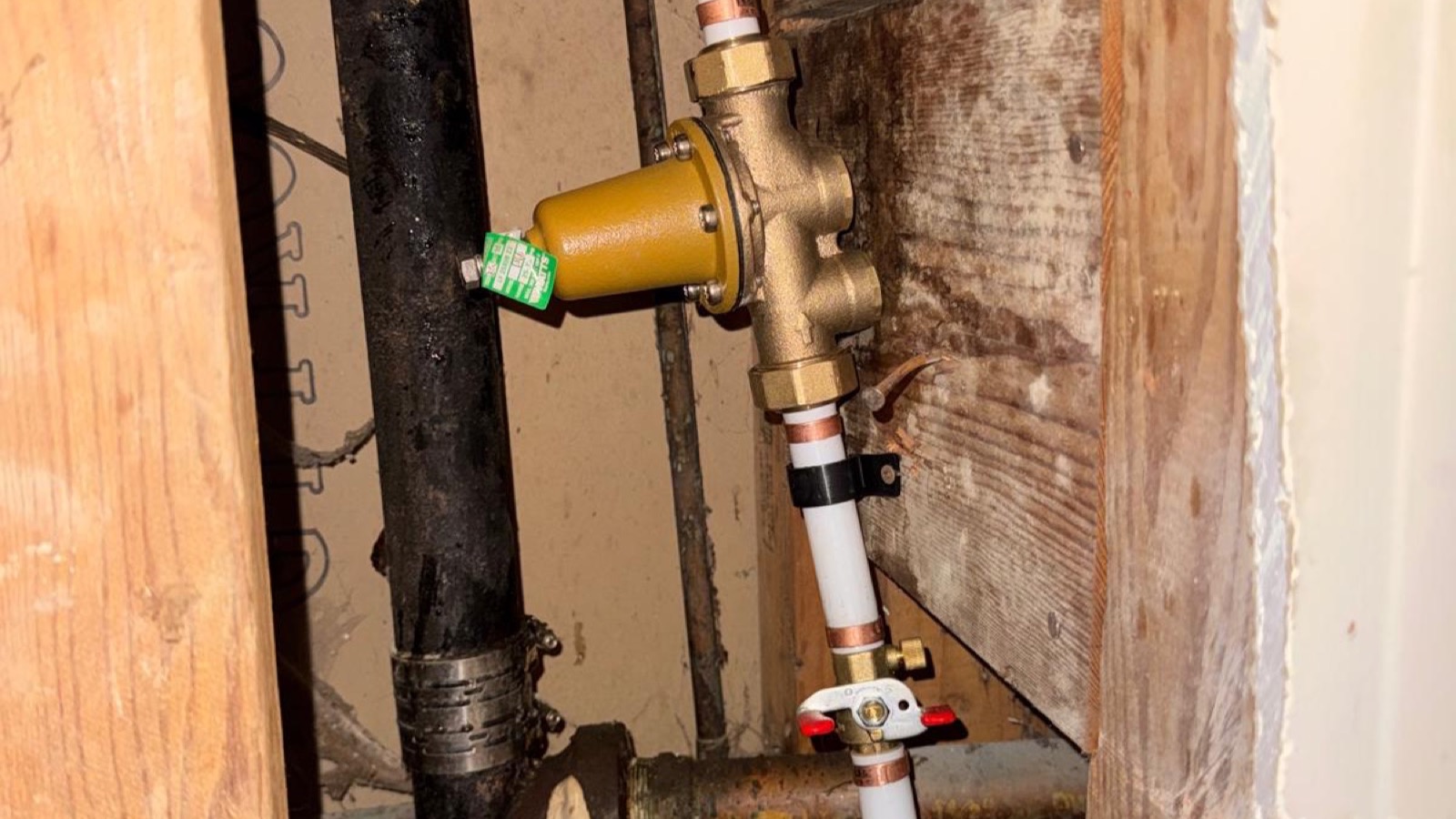
Gilbert home context
Long warm seasons and mineral-heavy water can contribute to visible scale, stiff fixture movement, restricted aerators, water-heater sediment, and wear at exposed components. Those conditions do not establish the diagnosis by themselves, but they are worth mentioning.
A useful inspection still follows the evidence: which fixtures are affected, whether hot and cold sides behave differently, what the pressure feels like elsewhere, and whether the symptom changes when a nearby appliance or valve operates.
The Expert Plumbing standard
Why homeowners call us
Our team has more than 15 years of experience with leaks, drains, pipes, water heaters, toilets, faucets, kitchen plumbing, pressure problems, and sewer concerns. We bring the broad service range of a leading plumbing company and keep the call simple.
Questions from Gilbert homeowners
Call about leaking pipes, slow or blocked drains, toilets, faucets, water heaters, pressure changes, kitchen plumbing, and sewer warning signs.
Move belongings away, avoid electrical hazards, and close the nearest safe shutoff or main water valve if you know where it is and it turns normally. Then call for service.
Mineral accumulation can affect aerators, cartridges, valves, showerheads, and water-heating equipment. An inspection can separate buildup from pressure, supply, or component problems.
Several slow fixtures, gurgling, wastewater appearing in a lower drain, or a blockage that quickly returns can justify looking beyond the nearest trap.
Yes. Our plumbing team is licensed and insured, so you can call with confidence when work is needed in your home.
Our team brings more than 15 years of experience to leaks, drains, pipes, water heaters, fixtures, and sewer concerns.
Yes. We help with common repairs and replacement options when a fixture, water heater, pipe, or other part is no longer practical to repair.
Yes. Call when water is leaking, sewage is backing up, a pipe may be damaged, or an important fixture cannot be used. Tell us what is happening so we can discuss safe next steps.
Ready for a clearer next step?
HOME PLUMBING FIELD GUIDE / Gilbert
A useful plumbing call starts with observable details rather than a guessed diagnosis. In Gilbert homes, it helps to name the fixture, explain what changed, and mention whether the symptom appears on the hot side, cold side, or both. That gives the service conversation a practical starting point.
If water is escaping now, move belongings away and avoid electrical hazards. Use a familiar, smoothly operating fixture or main shutoff only when it is safe. Share where the water appears, how quickly it returns, and what was running when it began.
A blockage that returns deserves more context than a one-time slow sink. Note every affected fixture, any gurgling or odor, the lowest place water appears, and whether previous clearing produced only temporary relief.
Reduced volume, temperature swings, unusual sound, discolored water, or moisture near the equipment are all worth mentioning. Do not remove covers; describe the equipment type and approximate age when known.
Compare several faucets on both hot and cold sides. A single weak aerator, a running toilet, and a whole-home pressure change point toward different parts of the system and should not be grouped together automatically.
Gilbert households often notice scale at fixtures, changing water-heater performance, or pressure that feels different from room to room. Those clues can overlap, so the pattern across the home matters more than any one symptom.
The pattern you record helps organize the first Gilbert conversation; the actual cause still needs to be evaluated.
A useful Gilbert plumbing call identifies the first symptom, the nearest fixture, active water, and any change after a normal household shutoff was used.
Call to discuss serviceLocal service area